Citric Acid: The Essential Ingredient for Food Industry
In the food industry, few ingredients are as versatile and indispensable as citric acid. A naturally occurring organic acid found in citrus fruits, it has become a cornerstone of food formulation, valued for its safety, natural origin, and multifunctional properties. Citric acid is available in two primary forms—citric acid monohydrate and citric acid anhydrous—each tailored to specific food applications. Understanding their differences is key to creating high-quality, stable, and flavorful food products that stand out in the market.
As the global demand for natural, clean-label food ingredients grows, citric acid remains a top choice for food manufacturers, with over 67% of its global production used in the food industry. Let’s explore the key differences between the two forms and how they excel in various food applications.
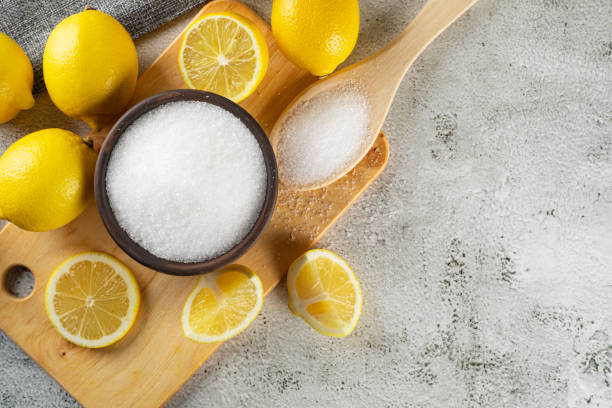
Key Differences: Citric Acid Monohydrate vs Anhydrous
The core distinction lies in their water content, which directly impacts their physical properties and suitability for different food formulations.
1. Physical & Chemical Properties
- Citric Acid Monohydrate: Contains one bound water molecule (formula: C₆H₈O₇·H₂O), appearing as translucent crystals or soft white powder. It dissolves quickly in water, has a lower melting point (135°C), and is less moisture-absorbent, making it easy to store under standard conditions.
- Citric Acid Anhydrous: Water-free (formula: C₆H₈O₇), presenting as opaque white crystals or fine powder. It has a higher melting point (153°C), slightly slower initial dissolution, and is highly hygroscopic (absorbs moisture from air), requiring airtight storage to prevent clumping or conversion to the monohydrate form.
2. Cost & Concentration
Anhydrous citric acid offers more pure citric acid per gram (no water weight), making it cost-effective for precise dosing. Monohydrate is more economical upfront, ideal for formulations where water content is not a concern.
Food Industry Applications: Choose the Right Form
Both forms excel in food formulation, but their unique properties make them better suited for specific products.
Citric Acid Monohydrate: Ideal for Liquid & Humid-Tolerant Foods
Its fast dissolution, low cost, and stability in humid conditions make it the top choice for liquid and moisture-friendly food products.
- Beverages: As a natural acidulant (E330), it adjusts pH, enhances tart, refreshing flavors, and extends shelf life in soft drinks, fruit juices, smoothies, and iced teas. It prevents oxidation, preserving the natural color and taste of beverages.
- Preserved Foods: Used in jams, jellies, pickles, and processed fruits/vegetables to inhibit microbial growth, maintain texture, and balance sweetness with a bright tartness.
- Dairy & Baked Goods: Adds tanginess to yogurt, sour cream, and baked goods (muffins, cakes), regulates pH to improve texture, and acts as a preservative to extend shelf life.
Citric Acid Anhydrous: Perfect for Dry & Moisture-Sensitive Foods
Its water-free nature prevents premature reactions or clumping, making it essential for dry food formulations.
- Dry Mixes: Ideal for powdered beverages, cake mixes, pudding mixes, and seasoning blends. Its lack of water avoids premature reactions (e.g., CO₂ generation in effervescent mixes) during storage.
- Confectionery: Preferred for sour candies, hard candies, and candy coatings. It delivers intense, consistent tartness without adding moisture, preventing stickiness and ensuring a crisp texture.
- Dry Snacks & Processed Foods: Used in dried fruits, snack mixes, and powdered seasonings to enhance flavor, regulate pH, and maintain product stability without introducing excess moisture.
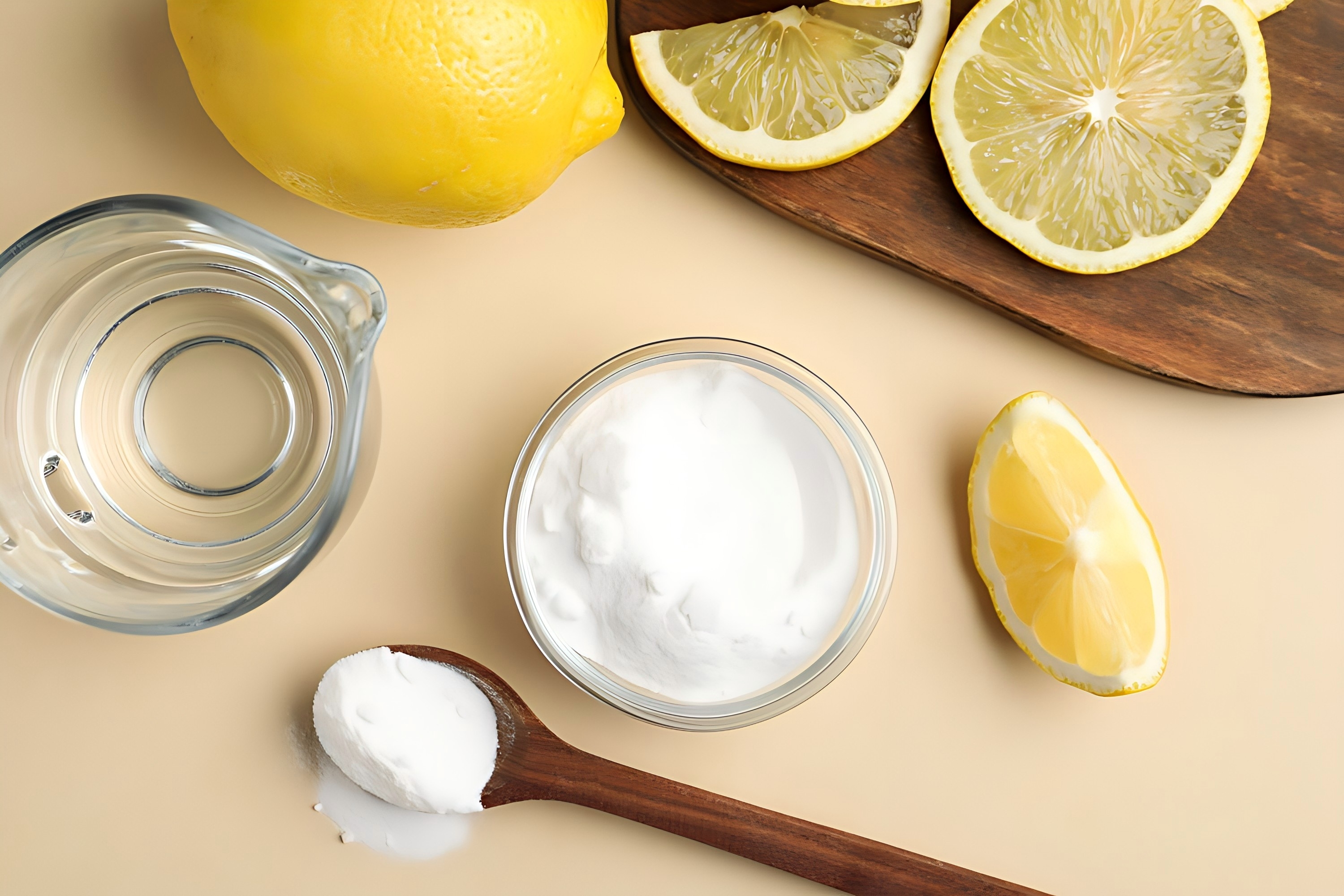
Why Citric Acid Is a Must-Have for Food Manufacturers
- Natural & Clean-Label: Derived from natural citrus or eco-friendly fermentation, recognized as safe (GRAS) by global regulators, aligning with consumer demand for clean ingredients.
- Multifunctional: Acts as an acidulant, preservative, flavor enhancer, and pH regulator—reducing the need for multiple additives and simplifying formulations.
- Versatile & Cost-Effective: Two forms to suit every food application, from liquids to dry mixes, with consistent supply and competitive pricing.
Elevate Your Food Products with the Right Citric Acid
Whether you’re formulating a refreshing beverage, a tangy snack, or a stable dry mix, choosing the right citric acid form—monohydrate for liquids, anhydrous for dry products—ensures optimal flavor, stability, and quality. Citric acid isn’t just an ingredient; it’s the secret to creating food products that consumers love, with the natural appeal and performance your brand needs to succeed.