
info@hz-great.com
0086 571 22661887

① For all bakery products with a sugar content exceeding 8%, it is necessary to use high-sugar yeast (also known as osmotolerant yeast), which is specially designed to adapt to high-sugar environments in baking.
② For bakery products with a sugar content below 8%, you can use low-sugar yeast (ordinary yeast), which is more cost-effective and suitable for most low-sugar dough such as basic bread, steamed buns, and pizza dough.
① Carbohydrates: The main energy source for baking yeast, mainly derived from sugars (such as sucrose, glucose, and maltose in flour and added sugar).
② Minerals: They form the normal structure of yeast cells, mainly including magnesium, phosphorus, potassium, sodium, sulfur, and a small amount of copper, iron, and zinc, which are essential for the growth and reproduction of baking yeast.
③ Growth factors: Promote the growth of baking yeast, such as vitamin B1, vitamin B2, pantothenic acid, etc., which can improve the fermentation efficiency of yeast.
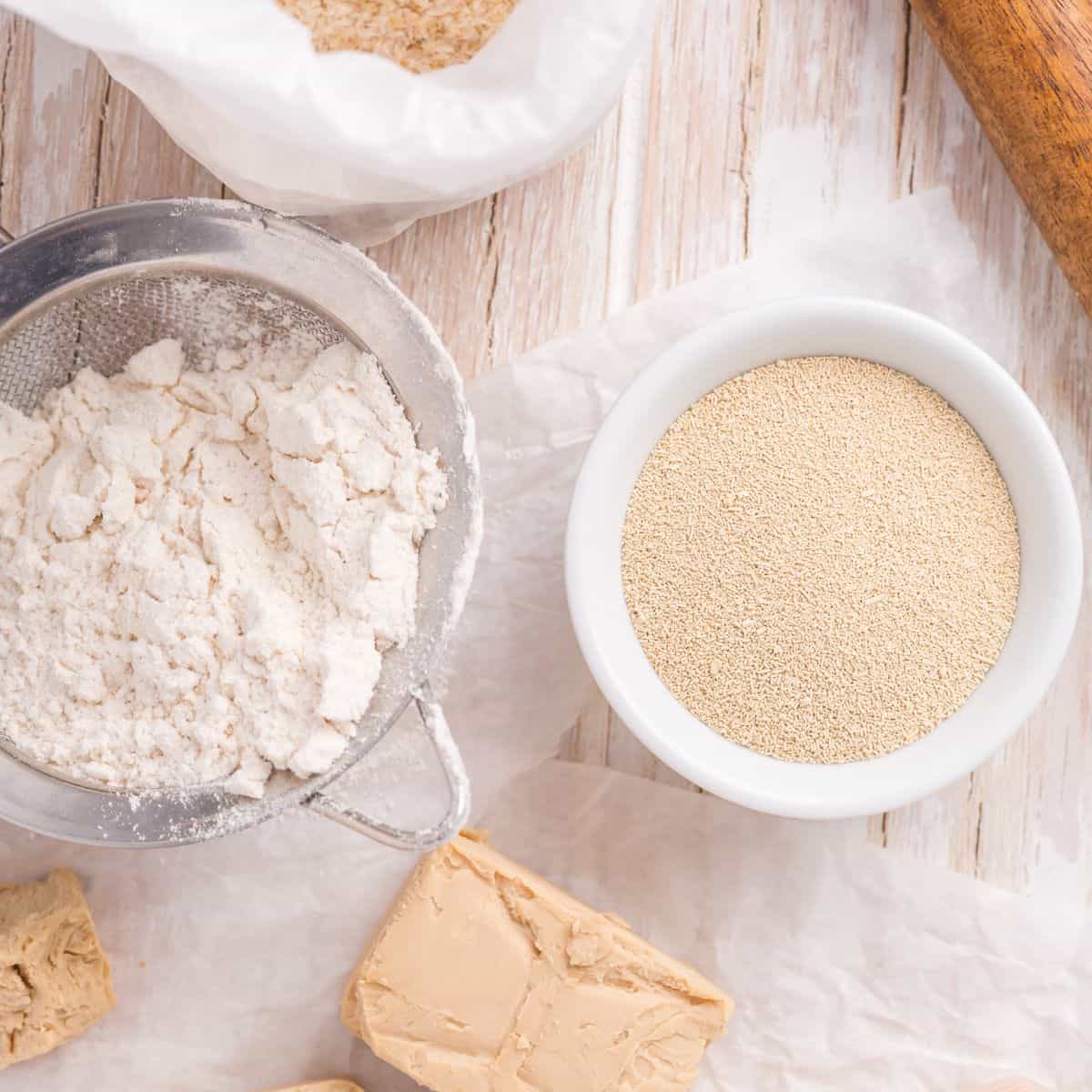
① Fresh yeast: A common type of baking yeast, which can be mixed directly with flour without activation. It needs to be stored in a refrigerator at 0—4 degrees Celsius, with a shelf life of 1—2 months, and is suitable for commercial baking and home baking with frequent use.
② Active dry yeast: A popular choice for home baking, it needs to be activated with warm water (35-40℃) before use, has a shelf life of two years, and is easy to store.
③ Instant yeast: A convenient type of baking yeast, which can be mixed directly with flour without activation, has a shelf life of two years, and is widely used in home baking and small-batch bakery production.
① Fluffy texture: Baking yeast produces a lot of carbon dioxide in the dough, which is retained in the gluten network due to the formation of a mesh structure, making the bread loose and porous and increasing its volume—this is the most important function of yeast in bread making.
② Gluten expansion: In addition to producing carbon dioxide, baking yeast also has the effect of enhancing gluten expansion, enabling the carbon dioxide produced by the yeast to stay in the dough and enhancing the gas retention capacity of the dough, ensuring that the bread does not collapse easily.
③ Enhance bread flavor: When baking yeast ferments, it can produce the unique fermented flavor of bread. In addition to alcohol, other substances related to bread flavor are also generated during fermentation, making the bread more fragrant.
④ Improve the nutritional value of bread: The main component of baking yeast is protein, which accounts for nearly half of the yeast body. The content of essential amino acids is sufficient, especially lysine, which is relatively lacking in grains. In addition, it also contains rich B vitamins, making bread more nutritious.
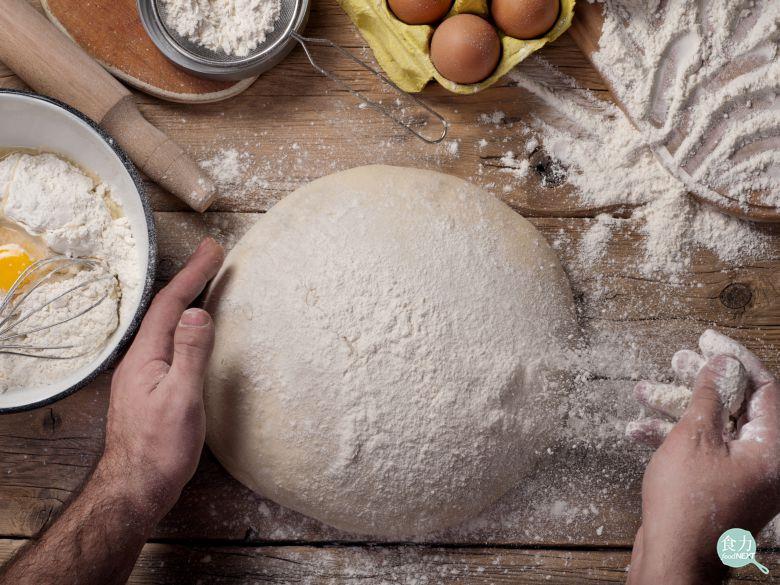
① Temperature: Within a certain range, as the temperature increases, the fermentation speed of baking yeast also increases, and the gas production also increases (the optimal fermentation temperature for yeast is 25-35℃).
② pH value: The optimal pH value of the dough for baking yeast fermentation is between 4—6; too high or too low pH will inhibit yeast activity.
③ Osmotic pressure impact: The yeast cell membrane is a semi-permeable membrane, but when the concentration of sugars, salt, inorganic salts or other soluble solid substances in the dough is high, the protoplasm in the yeast will seep out of the cell membrane, affecting or destroying the normal life activities of baking yeast.
④ Water addition: The more water added, the softer the dough, and the faster the fermentation of baking yeast.
⑤ Flour: The stronger the gluten of the flour, the slower the fermentation of baking yeast, because strong gluten will restrict the expansion of carbon dioxide.
⑥ Mold inhibitors: Most mold inhibitors have an inhibitory effect on the fermentation of baking yeast, so they should be used with caution in bread making.
Name: Jack
Mobile:0086 13867199735
Tel:0086 571 22661887
Whatsapp:8613867199735
Email:info@hz-great.com
Add:Nanyang Development Area, Xiaoshan Dist, Hangzhou City, Zhejiang Province, China