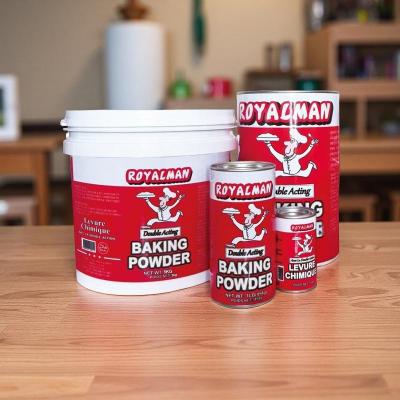
People prize baking powder, also known as leavening powder or fermentation powder, for its unique leavening effects. It comes in sweet and edible types. It acts quickly as a leavening agent, especially for fast fermentation in grain products. It plays a crucial role in making cakes, steamed buns, bread, pastries, and more.
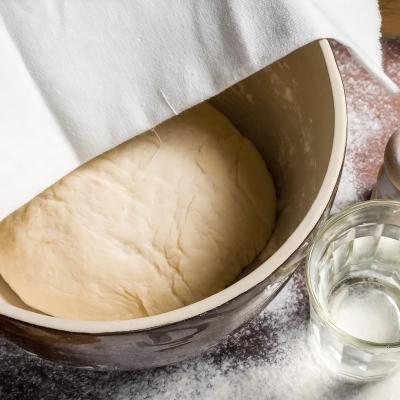
According to experimental data from the American Baking Institute's 2023 report, incomplete yeast dissolution can reduce fermentation efficiency by 40%-60%. When yeast cells remain trapped in granules, their enzymatic activity is limited to just 30%, leading to poor dough elasticity and smaller baked volumes. More critically, residual granules may harbor harmful bacteria, causing fermentation fa
For home bakers, dough improvers are neither a necessity nor a simple "cheat," but rather an optional tool. Whether to use them depends on your baking goals, skill level, and personal values
Beyond Fermentation, Yeast Can Also Enhance Flavor and Retain Moisture?
While 85% of users focus only on fermentation speed, smart bakers have already unlocked the magic of flavor and moisture retention with yeast.
Sodium benzoate is a widely used food preservative with the chemical formula C₇H₅NaO₂. It is the sodium salt of benzoic acid and is highly effective in preventing the growth of bacteria, yeast, and mold in acidic foods and beverages. This white, odorless powder is water-soluble and has been used in the food industry for decades to extend shelf life.
Sodium cyclamate (chemical formula: C₆H₁₂NNaO₃S) is the sodium salt of cyclamic acid, is an artificial non-caloric sweetener. People have used it for many years as a sugar substitute in food and drinks. It is 30 to 50 times sweeter than table sugar. This makes it a good choice for cutting calories. However, its safety has been a topic of debate, leading to regulatory restrictions in some countries
Food preservation is an important process in the food industry. It keeps food safe, nutritious, and tasty for a long time. Without preservation, food would spoil quickly because of microbial growth, enzymatic reactions, and oxidation. Various techniques—both traditional and modern—extend shelf life, reduce food waste, and maintain quality.