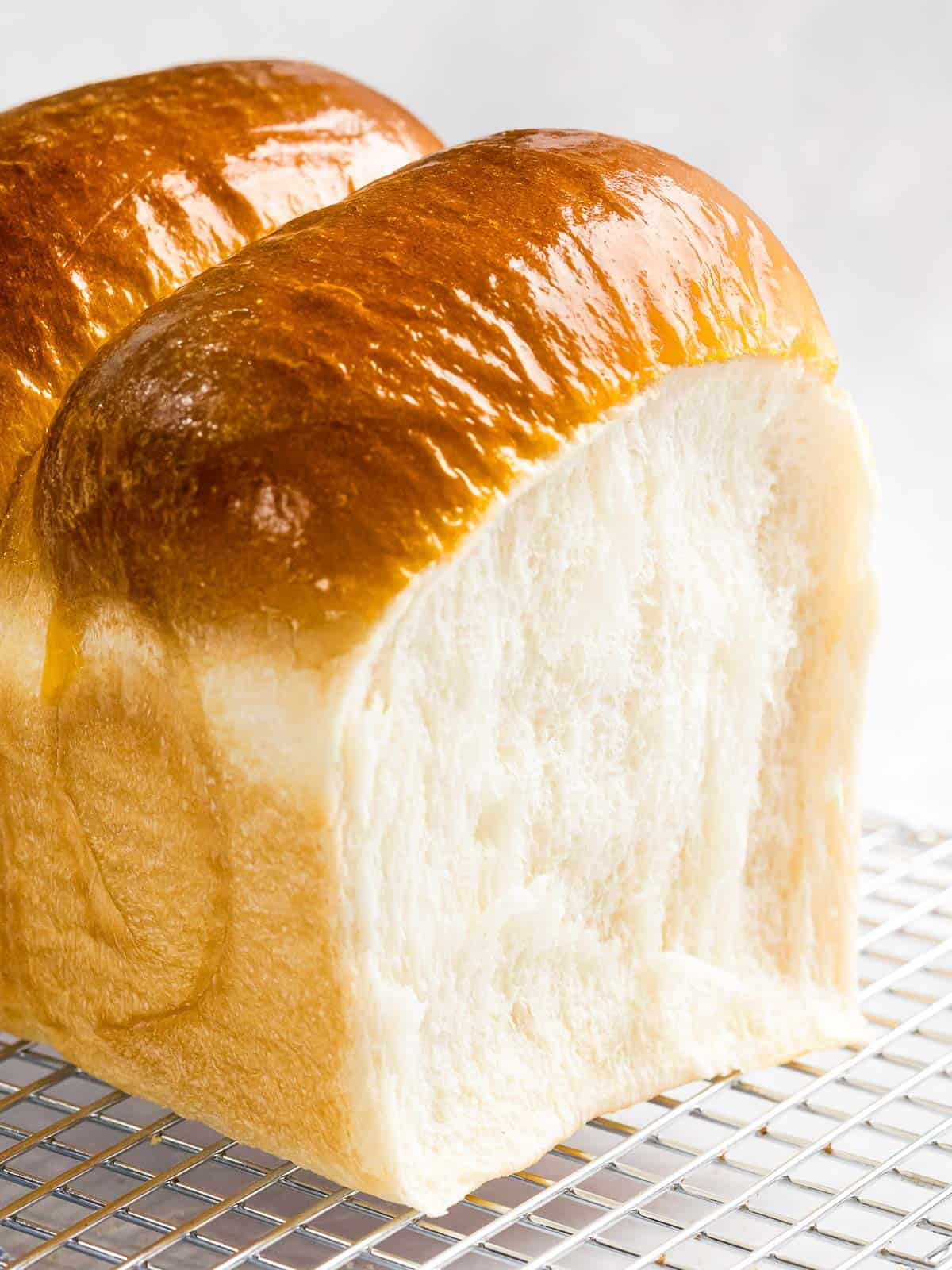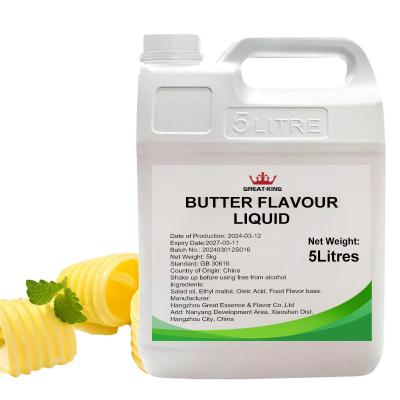
Butter flavoring is a useful ingredient. It gives the rich, creamy taste of butter without extra fat or calories. Whether you are baking, cooking, or making food products, butter flavoring can improve your recipes.
It adds a real buttery smell and taste. But how is it made, and how do you choose between water-based and oil-based varieties? Let’s explore!
Have you ever imagined the taste of candy? Think about the juicy flavor of strawberries, the tangy taste of lemons, or the tropical sweetness of mangoes. Each bite brings these flavors to life in your mouth.
The secret is in the art and science of candy flavoring.
Menthol is more than just a flavor—it’s an experience. This natural compound comes from peppermint and other mint oils. It gives a strong cooling feeling that wakes up the senses. It refreshes the taste and leaves a unique crispness.
Whether in chewing gum, candies, beverages, or vaping products, menthol has become a beloved flavor worldwide. Its special ability to mix bold freshness with a smo
Natural vanilla extract offers a richer, more complex flavor but is expensive and supply-dependent.
Synthetic vanilla flavoring is cost-effective, consistent, and widely used in commercial food production.
When baking bread, making pizza dough, or brewing beer, yeast is an essential ingredient. But how much yeast is in a packet? Understanding yeast measurements ensures successful recipes every time. As a top yeast supplier in China, we offer high-quality yeast products for home bakers and commercial users.
Baking powder is a leavening agent commonly used in baking to help baked goods rise. It typically contains a combination of an acid (such as cream of tartar) and a base (usually baking soda), along with a moisture-absorbing agent like cornstarch. When mixed with liquid and exposed to heat, baking powder releases carbon dioxide gas, causing the dough or batter to expand and become light and fluffy.