
info@hz-great.com
0086 571 22661887

Below we break down everything you need to know about leftover, long-stored dry yeast.
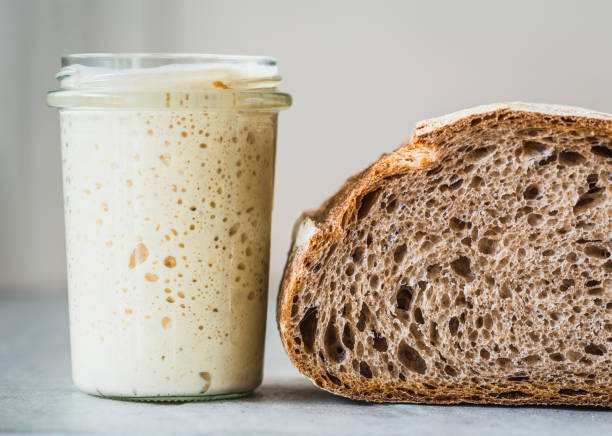
Most home bakers simply think of yeast as white powder for making dough rise. In fact, yeast is a living single-celled fungus. The active dry yeast we buy for home baking is made from specially cultivated Saccharomyces cerevisiae. It is dehydrated and put into a dormant state. Every tiny particle holds millions of sleeping yeast cells.
Unopened dry yeast stays viable for 6 to 12 months in a cool, dry place. Once it meets warm water and sugar, these dormant cells wake up. They feed on sugars in flour and release carbon dioxide. This gas stretches the dough, making bread and buns light and fluffy — that is fermentation.
Yeast itself is an edible, beneficial microorganism. It is rich in B vitamins and protein and does not naturally produce toxins. Its performance and safety depend entirely on storage conditions and how long it has been stored.
Do not throw away your aged yeast right away. You can quickly test whether it is still alive.
Yeast proofing test steps:
✅ Good result: A thick layer of fine foam forms on the surface, and you can smell a faint fermented, bready aroma. The yeast is active and safe for baking.
❌ Bad result: No bubbles or foam appear at all. The yeast cells are dead and cannot leaven dough.
⚠️ Critical safety warning: If there is no foam, and you spot mold or notice a sour, rotten odor, discard the yeast immediately. It has been contaminated by unwanted microbes and is unsafe to use.
Many home bakers skip the proofing test and add expired yeast straight into flour. The common outcome is dough that stays dense and rock-hard for hours, resulting in heavy, brick-like steamed buns or bread. That is the mildest problem.
If improperly stored yeast has absorbed moisture and grown mold or harmful bacteria, it becomes dangerous. Even if the dough rises slightly, invisible toxic byproducts may remain in your baked goods. Eating these can trigger stomach upset, nausea, abdominal pain or diarrhea.
A common myth: Dead yeast can help dough rise. This is false. Inactive yeast cannot consume sugar and produce carbon dioxide. Adding large amounts of dead yeast will only waste your flour.
Poor storage is the top reason yeast dies quickly. Follow these rules to preserve its potency:
There is no universal rule that old opened yeast is automatically unusable. Always run the quick proofing test first. Use it only if it foams well, smells normal and has no mold. If it fails the test, smells off or shows mold growth, throw it out without hesitation.
With proper storage, dry yeast lasts far longer than many home bakers realize.
Name: Jack
Mobile:0086 13867199735
Tel:0086 571 22661887
Whatsapp:8613867199735
Email:info@hz-great.com
Add:Nanyang Development Area, Xiaoshan Dist, Hangzhou City, Zhejiang Province, China